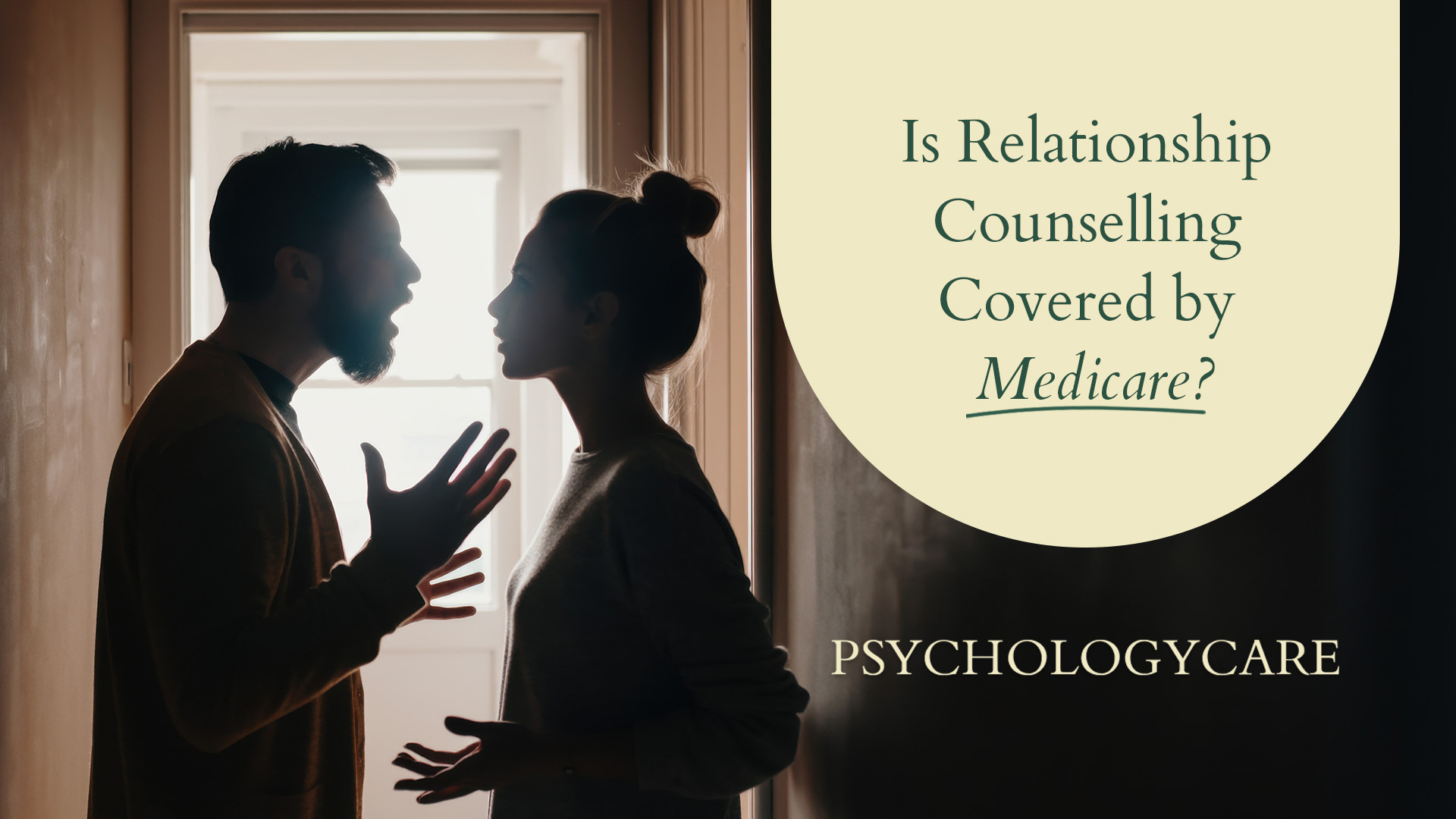
Is Relationship Counselling Covered by Medicare?
Money can be one of the biggest factors that stop couples from reaching out for help. It’s natural to wonder: Is relationship counselling covered by Medicare in Australia?
Medicare does not currently cover relationship or couples counselling. But there are still ways to make therapy more affordable and accessible, and it helps to understand why this is the case.
Why Relationship Counselling Isn’t Usually Covered
Medicare rebates in Australia are designed for individual mental health treatment under the Better Access initiative. This program provides rebates for up to 10 sessions per calendar year when you see a registered psychologist, psychiatrist, or accredited mental health social worker, but it requires a diagnosis of a mental health condition and a GP referral through a Mental Health Care Plan (MHCP).
Because relationship counselling focuses on the relationship itself rather than a single person’s diagnosed mental health condition, it falls outside the eligibility criteria for Medicare rebates.
In other words, Medicare can fund sessions for anxiety, depression, trauma, or other mental health issues, but not sessions focused purely on relationship or communication difficulties between partners.
When Medicare May Apply Indirectly
That said, there are some situations where Medicare might still help.
If one or both partners have a recognised mental health condition (such as depression or anxiety) and the focus of therapy is partly on how that condition affects the relationship, your psychologist may be able to claim under your individual MHCP.
For example:
In these cases, Medicare covers sessions where the therapy’s primary purpose is the individual’s treatment, even if the partner attends occasionally. However, standard relationship or couples counselling, where both partners are equal clients, does not meet the criteria for a rebate.
Your psychologist will always clarify which option applies before you begin, so there are no surprises.
Private Options and Rebates
Many couples choose to attend relationship counselling privately. The benefit is flexibility, no GP referral, and full confidentiality. You can book directly, choose the therapist you want, and decide the number and frequency of sessions together.
If you have private health insurance, check your extras cover. Some funds include rebates for “psychology,” “clinical psychology,” or even “counselling.” However, each fund sets its own rules, and not all cover couples sessions. It’s best to contact your insurer directly to confirm.
Other funding options may include:
Why Relationship Counselling Is Worth the Investment
It’s normal to hesitate about spending money on therapy, especially when life feels busy or budgets are tight. But think of relationship counselling as an investment in your partnership, the emotional foundation that shapes your home, family, and wellbeing.
Couples often report that counselling helps them:
When compared to the emotional and financial cost of ongoing stress, separation, or unresolved tension, counseling is a proactive and healing choice.
How to Discuss Costs With Your Psychologist
A transparent clinic will always talk openly about fees before you begin. At PsychologyCare, we explain session costs clearly and can help you explore options that suit your circumstances, including shorter session formats, spacing appointments, or switching between individual and joint sessions as needed.
If you’re unsure whether Medicare rebates could apply to part of your therapy, ask your psychologist. They can advise whether one partner’s individual plan could occasionally be used, or whether private billing is more appropriate.
The Takeaway
Relationship counselling is not usually covered by Medicare, but there are still affordable pathways available. Whether through private health, EAPs, community programs, or a flexible session plan with your psychologist, support is within reach.
The real value lies in what you gain, such as clearer communication, deeper understanding, and a renewed sense of partnership. Many couples say the benefits extend beyond the relationship, improving parenting, work, and personal wellbeing too.
At PsychologyCare, we’re committed to making therapy accessible and transparent. If you’re wondering about costs or how to start, reach out, we’re happy to walk you through the options and help you take the first step toward a stronger, healthier connection.