What Happens in a Relationship Counselling Session?
Every relationship goes through ups and downs. Sometimes communication breaks down, small misunderstandings pile up, or big life changes create distance between partners. If you’ve found yourselves repeating the same arguments or feeling disconnected, you might be wondering what actually happens in a relationship counselling session and whether it can really help.
The truth is, relationship counselling isn’t about taking sides or deciding who’s right or wrong. It’s about helping both people understand what’s really happening underneath the surface and finding new ways to connect, communicate, and move forward.
A Safe Space for Two Voices
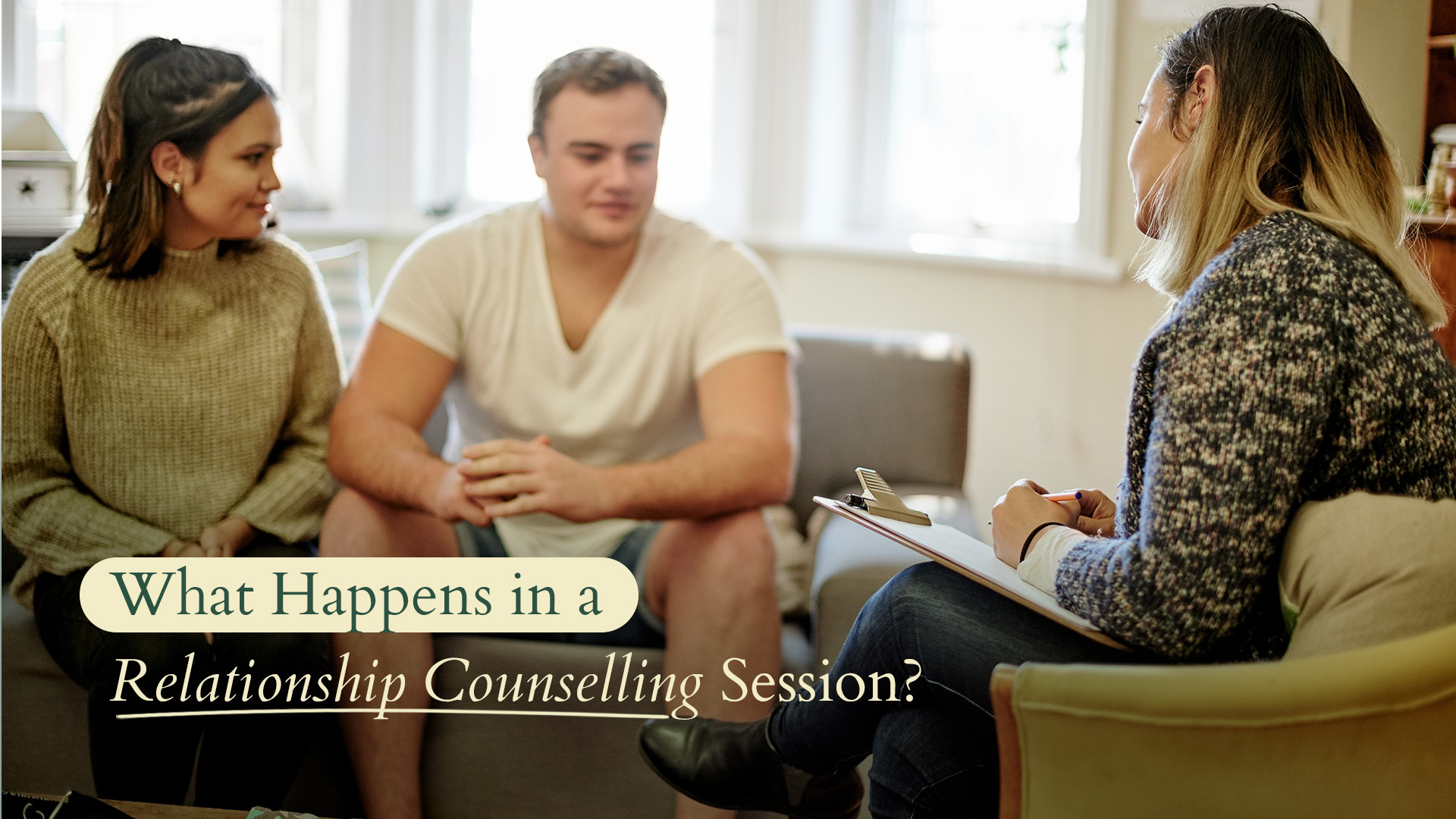
At its heart, relationship counselling offers a neutral, supportive space where both partners can be heard without interruption or judgement. The psychologist’s role is to guide the conversation not to act as a referee, but to slow things down and help each person express what they truly mean, not just what comes out in the heat of frustration.
You might talk about:
The focus is on clarity and understanding. Often, beneath the surface arguments about chores, time, or money are deeper emotional needs like wanting to feel valued, secure, or supported.
The First Session: Understanding the Story
The first session usually starts with introductions and setting expectations. The psychologist will explain confidentiality, the structure of sessions, and what you each hope to gain from therapy.
You’ll then share a bit about your relationship how you met, what brought you together, and what has been happening lately that led you to seek help. Some couples come during a crisis; others come to strengthen their connection or improve communication before problems grow.
Many psychologists will ask both partners to describe what they’d like to see change. This helps set shared goals, such as “argue less and communicate better,” or “rebuild trust after a difficult period.”
Creating a Foundation for Safety
Safety and respect are essential. The psychologist ensures both partners have equal space to speak and that no one feels blamed or attacked. This balance helps reduce defensiveness and makes room for empathy.
If emotions run high, your therapist will help you pause, reflect, and notice what’s happening in the moment. The goal isn’t to stop conflict completely but to change how conflict happens, turning it from a win lose battle into a chance to understand one another better.
Tools and Techniques
Relationship counselling is more than just talking; it’s practical. Depending on your goals, your psychologist might teach skills such as:
Evidence-based approaches like the Gottman Method or Emotionally Focused Therapy (EFT) are often used. These models focus on identifying negative patterns, improving understanding, and rebuilding trust and closeness.
The Role of the Psychologist
Your psychologist is a facilitator and guide, not a judge. They help uncover the deeper dynamics at play and give you tools to respond differently. They might reflect what they observe in your interactions, highlight strengths in your relationship, and offer small behavioural changes that can make a big difference.
You’ll also discuss what’s working and the things that keep you connected despite challenges. Many couples are surprised to discover that small acts of appreciation or shared humour can reignite warmth even in tense times.
Between Sessions: Practice in Real Life
Progress often happens between sessions. Your psychologist may suggest short exercises to try at home, such as:
These small moments build emotional safety and help new communication habits take root.
How Many Sessions Are Needed?
Every couple is different. Some notice meaningful change in just a few sessions, while others prefer to continue longer to rebuild trust or address deeper issues. Your psychologist will discuss a timeline with you and adapt the pace based on how you’re both feeling.
When One Partner Is Hesitant
It’s common for one partner to feel unsure about counselling. A good psychologist understands this and creates a gentle, respectful environment. You don’t have to arrive with perfect communication, just a willingness to try.
If one partner prefers, the psychologist might begin with a joint consultation followed by short individual check-ins. This can help each person feel more comfortable before returning to joint sessions.
The Takeaway
Relationship counselling isn’t about fixing a broken relationship, it’s about learning how to relate differently, with more understanding, curiosity, and care. It helps partners see each other not as opponents, but as allies trying to meet needs and manage emotions in imperfect ways.
When couples commit to the process, they often describe feeling closer, calmer, and more hopeful. It’s less about never arguing again and more about being able to repair, reconnect, and grow together.
At PsychologyCare, we believe every couple deserves a space to be heard and understood. Relationship counselling can be the first step toward rebuilding trust, strengthening communication, and finding your way back to each other.